Retro Back to School Clipart: A Practical Guide for Creative and Professional Use
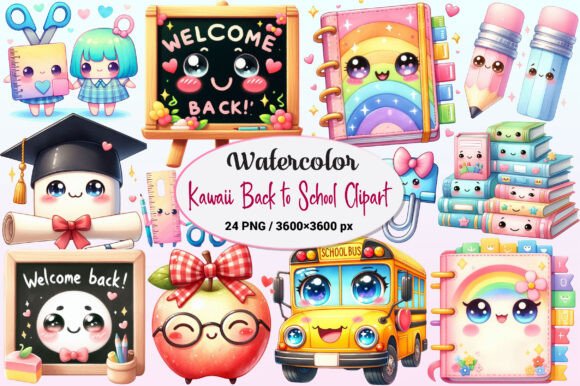
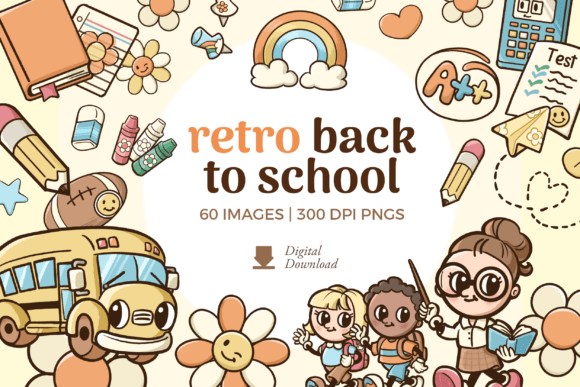
Retro Back to School Clipart is a versatile set of graphics that brings nostalgic charm and visual appeal to a wide range of creative and professional projects. This collection includes 60 high-quality illustrations, each measuring approximately 6 by 6 inches and saved as transparent PNG files at 300 DPI. The set features fun teachers, students, pencils, pens, school buses, flowers, rainbows, and more—all designed with a retro aesthetic in mind.
Understanding the Value of Retro Clipart in Modern Workflows
Clipart has long been a staple in design, education, and marketing. However, the rise of digital tools and the demand for high-quality, royalty-free assets have made retro clipart a popular choice for professionals looking to add character and nostalgia to their work. Whether you're designing educational materials, creating social media content, or developing branding elements, these illustrations offer a unique way to evoke a sense of tradition while maintaining a modern look.
The key benefit of using Retro Back to School Clipart lies in its versatility. These images can be used across various platforms and formats without the need for extensive editing. Since they come in transparent PNG format, they integrate seamlessly into both print and digital media, making them ideal for use in presentations, websites, posters, and even mobile apps.
Integrating Retro Clipart into Your Creative Process
Incorporating Retro Back to School Clipart into your workflow begins with understanding where and how it can enhance your existing assets. For instance, educators might use these illustrations to create engaging lesson plans or classroom decorations that resonate with students and parents alike. Similarly, marketers can leverage these visuals to craft themed campaigns around back-to-school promotions, adding a touch of familiarity and warmth to their messaging.
One practical approach is to organize your clipart library based on themes and categories. Grouping similar illustrations—such as those related to learning tools, school environments, or seasonal motifs—can streamline the design process and ensure consistency across different projects. This level of organization not only improves efficiency but also helps maintain a cohesive visual identity when multiple assets are used together.
Another consideration is compatibility with other design tools and software. Since the clipart comes in PNG format, it works well with most graphic design applications, including Adobe Illustrator, Photoshop, Canva, and even free tools like GIMP. Ensuring that your design software supports transparent PNGs will allow you to place these illustrations over any background without visible edges or unwanted colors.
Workflow Examples and Use Cases
Let’s explore some real-world scenarios where Retro Back to School Clipart can be effectively utilized:
- Designing Educational Materials: Teachers and curriculum developers can use these illustrations to create visually appealing worksheets, flashcards, and interactive learning modules. The retro style adds an element of nostalgia that can make educational content feel more relatable and engaging.
- Marketing Campaigns: Businesses launching back-to-school promotions can incorporate these cliparts into advertisements, email newsletters, and social media posts. They provide a consistent visual theme that aligns with the season and appeals to a broad audience.
- Branding and Packaging: Companies targeting the education sector or producing school supplies can use these graphics on product packaging, website banners, and promotional materials. The retro aesthetic helps differentiate products from competitors and creates a memorable brand image.
- Personal Projects: Bloggers, freelancers, and hobbyists can use these cliparts in personal blogs, calendars, and DIY crafts. Their high resolution and transparent backgrounds make them suitable for both print and digital formats.
Each of these use cases demonstrates how Retro Back to School Clipart can be integrated into different stages of a project—from initial planning and concept development to final execution and presentation.
Practical Implementation Tips
To get the most out of your Retro Back to School Clipart collection, consider the following tips:
- Plan Ahead: Before starting a project, identify which illustrations will best serve your purpose. Having a clear plan ensures that you don’t waste time searching for the right clipart later on.
- Use Consistently: Maintain a consistent style and color palette across all your designs. This helps reinforce your brand identity and makes your content more visually appealing.
- Optimize for Different Platforms: Adjust the size and placement of your clipart based on the platform you're using. For example, larger illustrations may be more effective in print, while smaller ones work better for digital displays.
- Store Organized: Keep your clipart files organized in folders or cloud storage solutions. This makes it easier to access and reuse them in future projects.
- Test for Quality: Always preview your designs before finalizing them. Ensure that the clipart looks good against different backgrounds and doesn’t interfere with the overall layout or readability of your content.
By following these guidelines, you can ensure that your Retro Back to School Clipart enhances your projects rather than detracting from them.
Long-Term Use and Quality Control
When considering long-term use, it's important to evaluate the quality and durability of the clipart assets. Since these illustrations are provided in high-resolution PNG format, they are suitable for both short-term and long-term projects. However, it's essential to keep track of licensing agreements and usage rights to avoid any legal issues down the line.
Additionally, regularly reviewing and updating your clipart library can help you stay current with trends and preferences. While retro styles have a timeless appeal, new variations or adaptations may emerge that could complement your work in fresh ways.
Quality control should also be a priority when using these illustrations. Always check for clarity, alignment, and color accuracy before finalizing your designs. Small inconsistencies can impact the overall professionalism of your work, so taking the time to review your assets thoroughly is crucial.
Finally, consider how these cliparts fit into your broader creative ecosystem. Are there other resources or tools that can enhance their effectiveness? Integrating them with vector-based designs, typography, or other visual elements can elevate the impact of your projects and help you achieve your goals more efficiently.