Back to School Alphabet Clipart: A Strategic Tool for Educators and Creators
As the new school year approaches, educators and creators are often tasked with revamping their classroom environments and developing fresh teaching materials. One resource that can make this transition both efficient and engaging is Back to School Alphabet Clipart. This collection of high-quality, school-themed visuals offers a versatile solution for enhancing educational content and decor. When used strategically, these clipart elements can significantly impact learning outcomes, classroom aesthetics, and overall engagement.
Understanding Back to School Alphabet Clipart
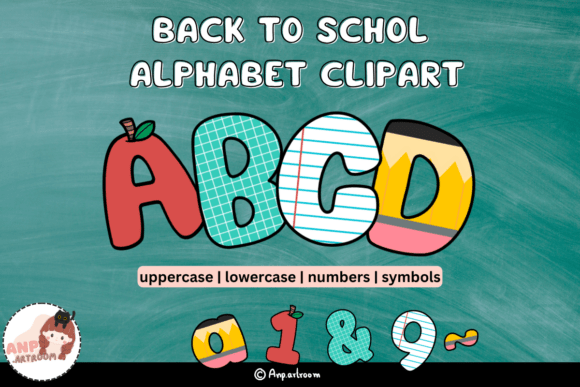
Back to School Alphabet Clipart refers to a set of digital images featuring letters of the alphabet, numbers, and symbols, all designed with a back-to-school theme. These designs often incorporate familiar classroom items such as apples, pencils, lined paper, and cutting mats. Each image is available in both uppercase and lowercase formats, making it suitable for a wide range of applications.
The clipart is provided in high-resolution PNG files (3000x3000 px, 300 DPI) with transparent backgrounds. This ensures that they can be seamlessly integrated into both digital and printable projects without any visible edges or unwanted background colors. The versatility of these assets makes them an excellent choice for teachers, designers, and content creators alike.
Strategic Use Cases for Back to School Alphabet Clipart
While the visual appeal of Back to School Alphabet Clipart is evident, its strategic application can yield even greater benefits. Here are several use cases where these clipart elements can support your goals:
- Bulletin Board Decorations: Use themed letters to create vibrant, engaging bulletin boards that reinforce learning concepts while adding a playful touch to the classroom environment.
- Worksheets and Task Cards: Incorporate clipart into worksheets and task cards to make educational activities more visually appealing and interactive for students.
- Name Tags and Labels: Personalize student name tags and classroom labels with themed letters to foster a sense of identity and belonging.
- Digital Presentations and Materials: Add a cohesive and professional look to digital presentations, e-books, or online learning modules by using consistent clipart styles throughout.
- Classroom Newsletters and Communication: Enhance printed or digital newsletters with themed clipart to make communication more engaging and visually stimulating.
By thoughtfully integrating Back to School Alphabet Clipart into these materials, educators can create a more immersive and motivating learning experience for students.
Planning and Implementation Tips
To maximize the effectiveness of Back to School Alphabet Clipart, consider the following planning tips:
- Define Your Goals: Before selecting clipart, clearly define what you aim to achieve. Are you looking to enhance visual learning, improve classroom aesthetics, or increase student engagement? Aligning your choices with specific objectives will ensure that your efforts are purposeful.
- Choose the Right Theme: The four themes—Apple, Pencil, Lined Paper, and Cutting Mat—each offer a unique visual style. Consider which theme best matches your classroom's aesthetic or the subject matter you're focusing on.
- Ensure Consistency: When using multiple clipart elements, maintain consistency in style and color to create a cohesive look across all materials. This helps in reinforcing brand identity or thematic focus.
- Consider Scalability: Since each letter is provided as an individual image, plan how you will construct words, phrases, or larger text. Using a consistent size and spacing will help maintain readability and visual harmony.
- Test and Refine: After implementing clipart in your materials, gather feedback from students or colleagues. This can help identify areas for improvement and ensure that your resources are effective and well-received.
Risks and Considerations
While Back to School Alphabet Clipart offers numerous benefits, there are also risks to consider when using it without clear planning or context:
- Lack of Cohesion: If clipart is used randomly or without a unifying theme, it can lead to a cluttered or disorganized appearance. This may detract from the intended message or learning objective.
- Overuse: Excessive use of clipart can overwhelm visual content, making it difficult for students to focus on the key information. It’s important to strike a balance between visual interest and clarity.
- Inappropriate Context: Not all clipart themes may be suitable for every classroom setting. Be mindful of cultural sensitivities and ensure that the chosen designs align with your educational philosophy and values.
By being intentional with your choices, you can avoid these pitfalls and ensure that your use of Back to School Alphabet Clipart supports your broader educational goals.
Long-Term Value and Decision-Making
Investing in Back to School Alphabet Clipart is not just about immediate visual enhancement—it’s also about long-term value. High-quality, reusable assets can be incorporated into multiple projects over time, reducing the need for repeated purchases or custom design work. This makes them a cost-effective solution for educators and creators who are looking to streamline their workflow and maintain a consistent visual identity across various materials.
When making decisions about whether to use Back to School Alphabet Clipart, consider factors such as your budget, time constraints, and the specific needs of your audience. For instance, if you’re creating a series of educational posters or digital content for an online course, investing in a comprehensive clipart set can save significant time and effort in the long run.
Additionally, think about how these assets can contribute to your broader branding efforts. Whether you’re running a small educational business or managing a classroom, maintaining a cohesive and professional look can enhance your credibility and make your materials more memorable.
Back to School Alphabet Clipart is more than just a decorative tool—it’s a strategic asset that can support your goals, enhance your creativity, and improve the overall learning experience for your students or audience. By using it thoughtfully and intentionally, you can create engaging, visually appealing materials that make a lasting impression.